EsquivaQuebra-cabeça
Pacman City: Turning "Dodge the Ghosts" into Timed Route Planning
120 seconds, 3 lives, 323 dots: eat and dodge through a block-city maze, where the 8-second power-pellet reversal is the only rhythm switch that matters.
120 seconds, 3 lives, 323 dots: eat and dodge through a block-city maze, where the 8-second power-pellet reversal is the only rhythm switch that matters.

A minimal penalty shootout: angle and power feed a probability model, every miss scores for the keeper, and a five-round sprint decides the match.
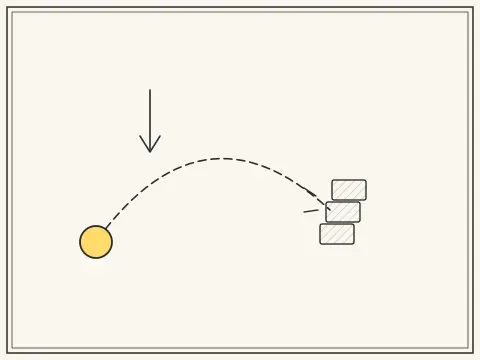
A deep dive into physics cutting mechanisms, covering collision box, ray, and grid detection strategies. It details rigid and soft body slicing approaches and analyzes dynamic precision balancing based on cut count and physics budget, offering direct solutions to common issues like stuttering and clipping.
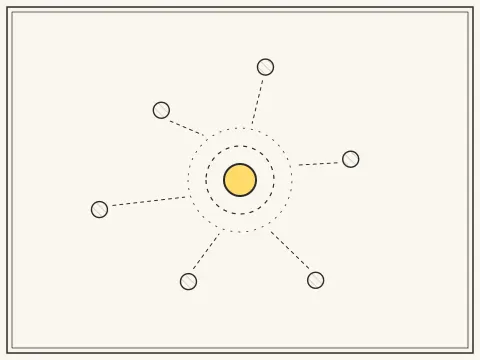
This article dissects the core mechanics of roguelike slaying games, breaking down the construction of enemy density curves to create dynamic combat pacing. It explains how director systems use calculation to control enemy distribution for screen readability, analyzes hard rules limiting special effects to ensure visual clarity, and reveals the satisfaction derived from linear enemy growth paired with exponential player damage. The guide provides actionable advice for developers to balance numerical values with player experience.
A minimalist auto-runner case study: score equals distance, a one-obstacle-one-button mapping, and how a 0.6s dodge window keeps high speeds readable.
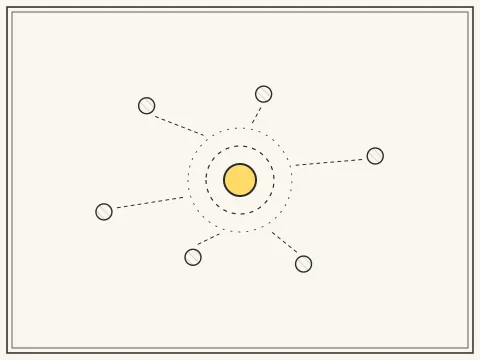
A deep dive into the tap dodge mechanic, analyzing hitbox tolerance settings and near-miss feedback to balance failure risk. We also explore constructing bullet speed curves to achieve smooth difficulty progression, providing core design strategies for developers to ensure both responsive controls and long-term player retention.

A timing lab: 20 beats, one shrinking ring, one judgment circle. Drag Perfect Window (40–150ms) and BPM (60–180) sliders to feel where timing feel comes from.
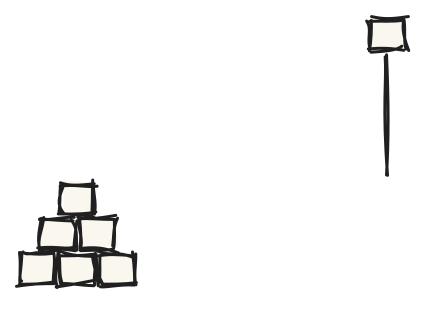
A 5-round penalty duel compressed into an angle-by-power table: three judgement bands — miss zone, risk zone, sweet spot — rule goal, save or miss.
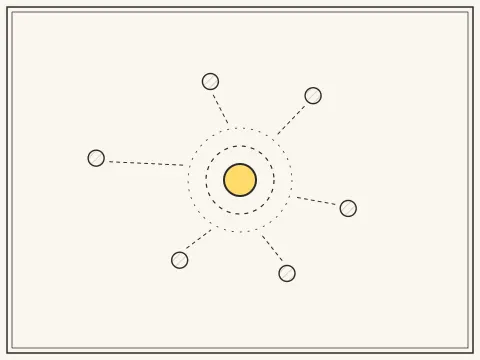
Analyze time pressure mechanics focusing on non-malicious dynamic curves and forgiveness windows. Deep dive into the 'Final 10 Seconds' effect to reveal how countdowns alter risk-reward ratios, driving players toward aggressive decisions in high-stakes endings, providing empirical strategies for building urgency in action-dodging levels.