
时机 / 反应躲避
Judgment Window Lab: Timing Feel as Two Sliders
A timing lab: 20 beats, one shrinking ring, one judgment circle. Drag Perfect Window (40–150ms) and BPM (60–180) sliders to feel where timing feel comes from.
A timing lab: 20 beats, one shrinking ring, one judgment circle. Drag Perfect Window (40–150ms) and BPM (60–180) sliders to feel where timing feel comes from.
A physics rebuild of 8-ball pool: drag distance folds into 18 power levels, all-stopped settlement keeps the rules trustworthy, and AI aim error keeps it alive.
A bubble-shooter teardown: aim angle folds into a column pick, 8-way pops raise density, and a ceiling drop every 10 shots makes pressure countable.
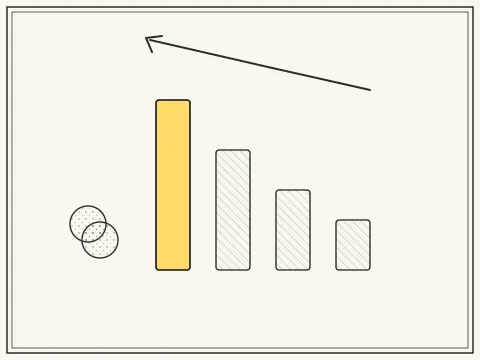
This article deconstructs the tap-to-evolve mechanic, analyzing the click feedback loop and numerical inflation thresholds. It details how clicks drive upgrade pacing and maintain numerical readability, equipping developers with core loop design and balance strategies for casual games.
A 5-round penalty duel compressed into an angle-by-power table: three judgement bands — miss zone, risk zone, sweet spot — rule goal, save or miss.
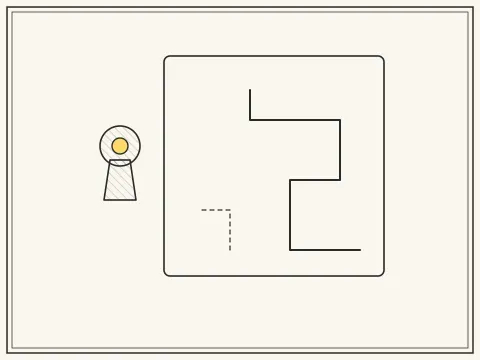
This guide deconstructs random event mechanics, establishing a baseline probability distribution between positive and negative outcomes. It introduces a continuous negative feedback correction algorithm to prevent players from falling into a 'death spiral.' Readers will master techniques for smoothing player experience through event pools and pity systems, learning how to tune random parameters to balance procedural generation length and level difficulty in Roguelike games.

A deep dive into constructing random pools and managing build power curves in Roguelikes. This guide details room event pool configuration, weight constraints, and budget-based allocation strategies to prevent power creep. It covers techniques for ensuring key node appearances, implementing soft-correction mechanics for player progression, and designing explainable randomness to deliver a rich yet balanced procedural generation system.
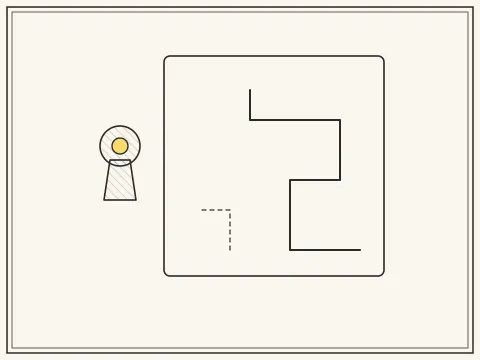
An in-depth analysis of difference point types and distribution logic to prevent instant completions. Learn how to implement visual guidance systems that regulate scanning pace, enhance puzzle depth, and design efficient hint mechanisms that deter cheating while ensuring a compelling player experience.
A minimalist auto-runner case study: score equals distance, a one-obstacle-one-button mapping, and how a 0.6s dodge window keeps high speeds readable.

Analyze time pressure mechanics focusing on non-malicious dynamic curves and forgiveness windows. Deep dive into the 'Final 10 Seconds' effect to reveal how countdowns alter risk-reward ratios, driving players toward aggressive decisions in high-stakes endings, providing empirical strategies for building urgency in action-dodging levels.

A deep dive into the tap dodge mechanic, analyzing hitbox tolerance settings and near-miss feedback to balance failure risk. We also explore constructing bullet speed curves to achieve smooth difficulty progression, providing core design strategies for developers to ensure both responsive controls and long-term player retention.