See what makes games fun, taken apart.
GamesLog is a teardown site for game design — every play gets one page that explains why it's fun, paired with a demo you can actually play.
- ✓One page, fully explained: essence, behavior loops, design trade-offs
- ✓Playable demos: not screenshots — the real thing
- ✓Multilingual · free · no ads

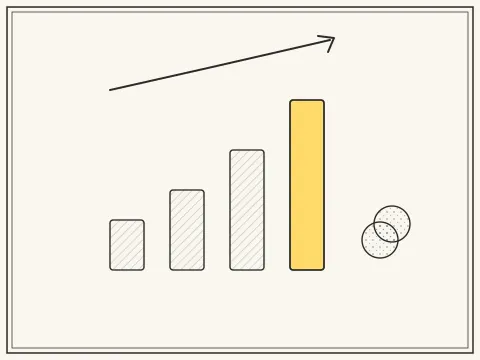
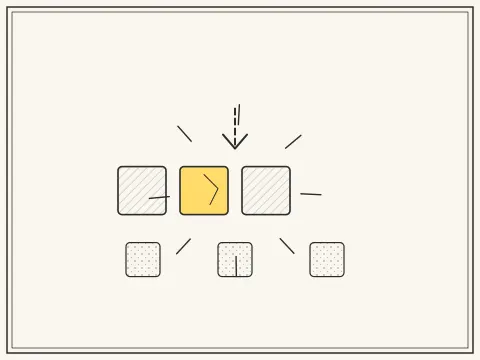
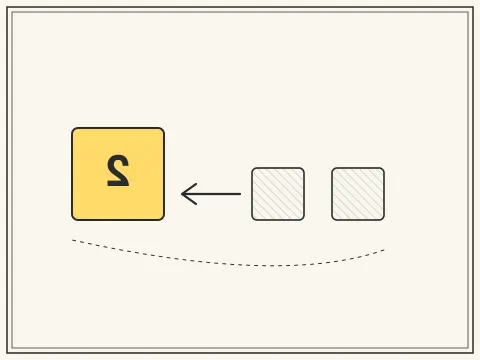
Three lenses on gameplay
Playable picks
All posts →
Football Kick: Compressing a Penalty Shootout into an Angle-by-Power Judgement Table
A 5-round penalty duel compressed into an angle-by-power table: three judgement bands — miss zone, risk zone, sweet spot — rule goal, save or miss.
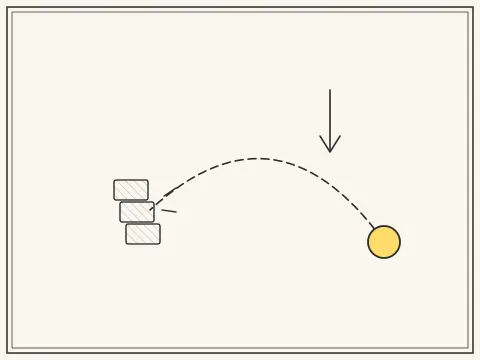
Grid Movement and Collision: From Rules to Implementation
This article deconstructs the layered mechanism for grid-based movement and collision detection, built upon grid coordinates and physics tags. It details the push-box displacement logic and blockage checks using an occupancy table and reachability model, providing a direct technical path from rule definition to code implementation to help readers master core physics interaction principles.

Match-3: Leveraging Elimination Mechanics to Drive Retention and Pacing
A deep dive into Match-3 core mechanics, focusing on the intensity stratification logic for 3/4/5-match eliminations. Through quantitative analysis of satisfying elimination triggers and dynamic checkpoint control strategies, we reveal how to drive user retention via rule design. Content covers constrained random generation algorithms and level pacing, aiming to help developers build high-engagement elimination experiences and improve game balance.
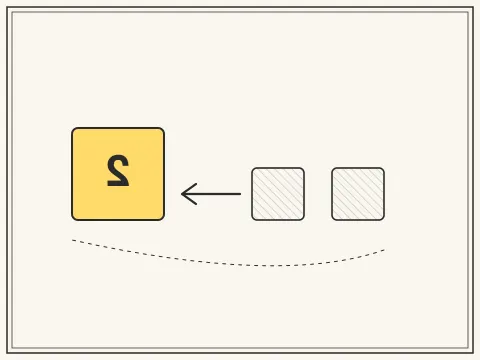
Core Mechanics of Merge & Upgrade Systems
A deep dive into merge and upgrade mechanics, breaking down merge rules, production pacing, and in-game feedback loops. The article outlines the implementation path from gameplay goals to core loops, offering reusable data structures and key numerical design principles to help developers build accessible, high-growth idle merge systems.
Start here
View all →Grid Movement and Collision: From Rules to Implementation
This article deconstructs the layered mechanism for grid-based movement and collision detection, built upon grid coordinates and physics tags. It details the push-box displacement logic and blockage checks using an occupancy table and reachability model, providing a direct technical path from rule definition to code implementation to help readers master core physics interaction principles.
Core Mechanics of Merge & Upgrade Systems
A deep dive into merge and upgrade mechanics, breaking down merge rules, production pacing, and in-game feedback loops. The article outlines the implementation path from gameplay goals to core loops, offering reusable data structures and key numerical design principles to help developers build accessible, high-growth idle merge systems.
Multiple Endings: Trigger Conditions and Player Path Guidance
A deep dive into crafting multiple ending triggers and player path guidance systems. By quantifying core elements, we define clear completion thresholds, build a tiered hint system ranging from strong to no guidance, and design dynamic feedback to balance exploration freedom, helping developers efficiently construct multi-ending narrative structures.
Latest
View all →