Roguelike
Random maps, permadeath, and progressive growth per run
Every run generates a random map; death sends you back to the start, but you come back stronger — Hades, Slay the Spire, and The Binding of Isaac are the canonical works.
Every run is brand new: random rooms, random treasures; death stops being scary because you return with experience — "one more run" is its mantra.
It solves the ultimate content-consumption problem — randomized combinations turn finite content into nearly infinite replay value.
① Concept, Role & Significance
The core of Roguelike lies in three key mechanics: procedurally generated maps, enemies, and rewards; growth and choices within a single run; and a reset after failure that preserves meta progress. Each attempt offers a new strategic space through random combinations, and failure is treated as a learning opportunity. Design must balance randomness, growth intensity, and meta pacing: too much randomness robs players of control, while too little leads to repetition; unlocking meta too quickly boosts motivation, but too slowly dampens replay desire. An counterintuitive insight is that a moderate reduction in randomness (increasing predictability) can actually deepen strategic play, as players can more accurately assess risk and reward, making more meaningful choices.
Roguelike gives players constantly changing challenges and a growth curve, turning failure into a driver for exploration and learning, sparking a persistent urge to play another run.
For designers, Roguelike shows how to build high stickiness and replayability through random combinations, instant growth, and meta progression, making it a key paradigm for creating strategic depth and player engagement.
② Feature System Breakdown
- Extending game longevity through random combinations
- Transforming failure into learning rather than punishment
- Creating tension and a sense of achievement through in-run growth
- Design procedural generation mechanisms to maintain diversity
- Balance in-run growth with meta pacing
- Master the trade-off between randomness and player sense of control
- Identify and avoid overly powerful combinations that cause imbalance
- Each run's map, enemies, and rewards are generated by a random algorithm
- Characters grow within a run by defeating enemies, using items, etc., and reset upon failure or completion
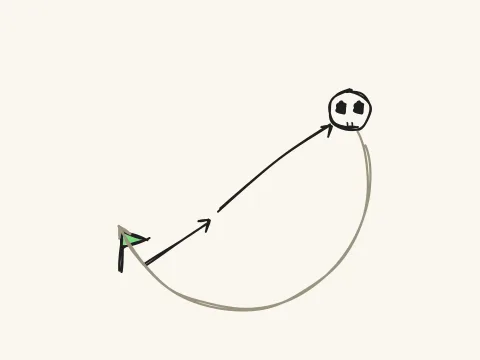
- Meta progress is retained after failure, such as permanent relics, card pool expansion, or skill unlocks, to drive strategy in the next run
③ Common Combos & Variants
④ Advanced Design & Algorithms (collapsed)Click to expand
- Excessive randomness can cause players to lose a sense of control
- Slow meta unlocking can weaken replay motivation
- If in-run growth is too strong, players may gain too much power after a single completion, leading to subsequent imbalance
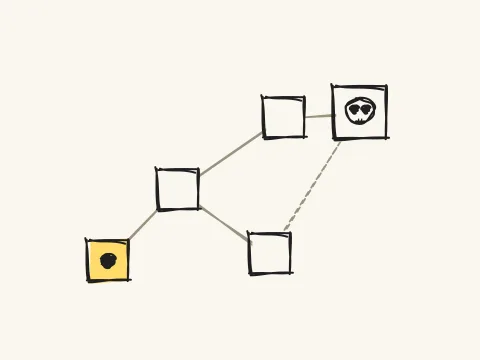
- Procedural dungeon generation and room graphs
- Relic/card pool design and fallback mechanisms
- Difficulty curve and player win-rate balancing